Yamna Green Molecules
Develops,
Builds,
Owns,
and Operates
large-scale green hydrogen and derivative projects worldwide.
At Yamna, we combine deep expertise in renewable energy and industrial-scale project delivery with partnerships with industry giants. We deliver competitive, reliable green hydrogen and derivatives to customers across global markets.
Green hydrogen for a cleaner future
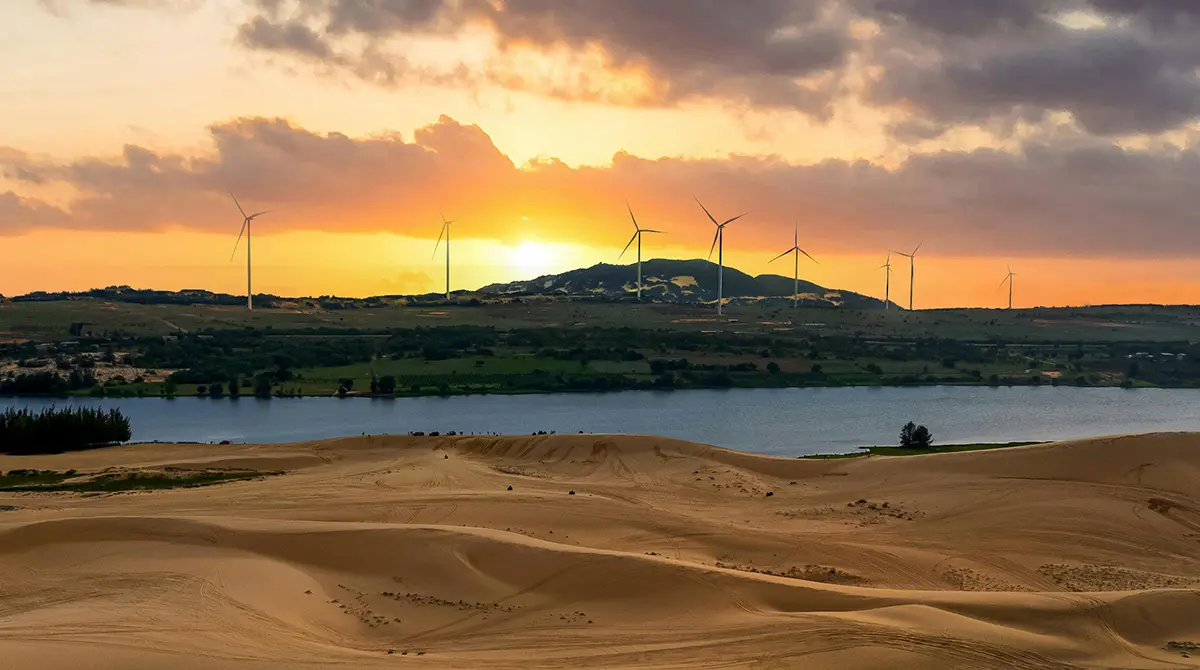
Yamna develops large-scale green hydrogen and derivative projects to serve global markets and accelerate the decarbonization of hard-to-abate sectors which cannot be electrified.
By combining renewable energy at scale with industrial-grade infrastructure, we deliver cost-competitive green hydrogen projects built for long-term demand.
Commercially anchored, built for delivery
We focus on the most attractive production markets and commercially viable end-use applications, enabling secure offtake and bankable project structures.
Our development model is anchored in strategic partnerships with industry-leading players across the value chain, paired with an agile, phased approach that reduces execution risk and accelerates time-to-market from early development through investment and delivery.
Developing projects where it makes sense
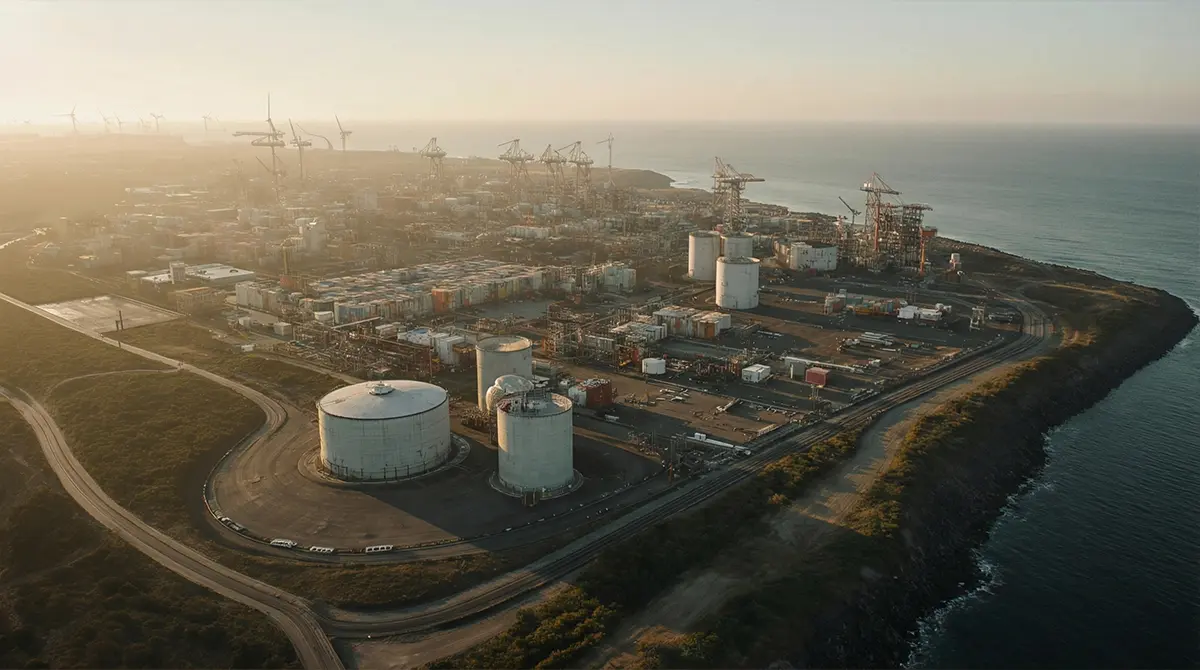
Yamna is actively developing green hydrogen platforms in high-potential regions with strong renewable resources, export infrastructure, and long-term demand fundamentals.
Yamna Green Molecules Portfolio
Oman
Salalah Al Khadra Hydrogen
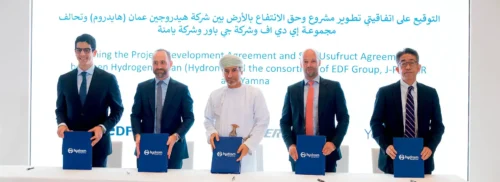
Awarded in 2024 through a competitive auction process, it is Yamna’s flagship project integrating off-grid renewables, hydrogen, and ammonia plant. The project leverages excellent renewable resources in the Dhofar Governorate (upstream) and the existing ammonia export terminal in Salalah Free Zone (downstream), aiming to supply the local demand and export markets including Asia and Europe.
India
Andhra Pradesh Green Ammonia
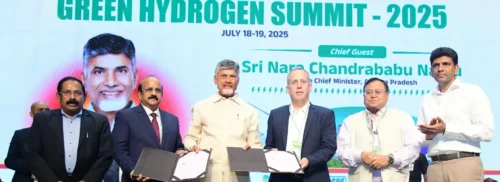
Announced in 2025, the project plans to produce up to 1 Mtpa of green ammonia (500 ktpa for Phase 1) from renewable electricity sourced via grid connection. It will be located in renewable-rich state of Andra Pradesh near the port of Krishnapatnam, producing green molecules at a competitive tariff to address key customers in strategic markets.
Brazil
Açu Green Ammonia
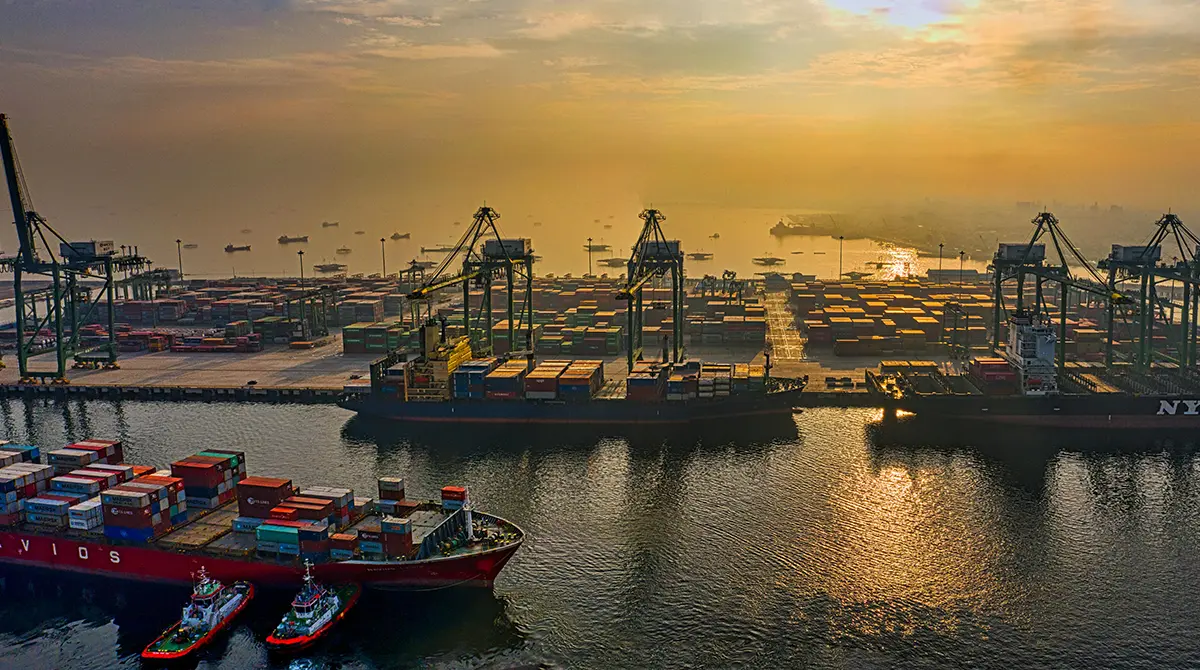
Land secured within the hydrogen hub of the Port of Açu, Brazil’s largest private port, the project marks Yamna’s first development activities in Brazil. The project leverages world-class industrial complex, access to existing export facilities, and abundant renewable resources to produce up to 1 Mtpa of green ammonia.
Morocco
Guelmim Green H2
Yamna is developing a large-scale green ammonia project aiming to foster the establishment of a green industrial value chain in Morocco, producing ammonia and other high value-added products to serve the domestic demand as well as European and other export markets.
No Question Left Unanswered
What are hard-to-abate sectors and why do they need green hydrogen?
Hard-to-abate sectors are energy-intensive industries where it is difficult to reduce greenhouse gas emissions because electrification is not technically feasible or economically competitive. These sectors include heavy industries like steel, cement, and chemicals manufacturing, as well as transportation segments like aviation, shipping, and long-haul road transport. Green hydrogen serves as a versatile energy carrier that can replace fossil fuels in these sectors, providing a pathway to decarbonization where direct electrification is challenging.

How is green hydrogen produced and what makes it “green”?
Green hydrogen is produced through water electrolysis, a process where electricity is used to split water molecules into separate hydrogen and oxygen molecules. What makes it “green” is that the electricity used comes from renewable sources such as hydroelectric, solar, or wind energy plants. The only emission from this process is oxygen, resulting in zero carbon emissions throughout the production process.
How is green hydrogen certified to ensure it meets environmental standards?
Green hydrogen certification involves a prequalification process for early-stage projects that demonstrates to investors, offtakers, and government agencies that projects will deliver hydrogen produced within certain emissions threshold and meeting strict sustainability requirements. Some certification schemes require project operators to report the source of electricity as well as its impact on the energy market, including network congestion and greenhouse gas emissions from the electricity grid. Projects must also evaluate hydrogen leakage risks, develop minimization plans, and establish monitoring systems to measure hydrogen emissions.
Why are offtake agreements critical for green hydrogen project bankability?
Offtake agreements are central to bankability because they provide predictable cash flows that make projects attractive to investors and banks. Without secure offtake agreements, projects struggle to obtain financing even if all other criteria are met, as these contracts constitute the commercial foundation that demonstrates long-term demand and revenue certainty. The most bankable structures typically include fixed payments to recover capital expenditures and variable payments to cover operational expenses.
How do strategic partnerships reduce project risk and accelerate delivery?
Strategic partnerships with industry-leading players across the value chain help distribute risks and leverage specialized expertise in different project components. Tightly connected project contracts between various suppliers clearly assign responsibilities and reduce coordination failures. An agile, phased development approach allows projects to progress incrementally, validating assumptions at each stage before committing additional capital, thereby reducing overall execution risk and accelerating time to market.
What factors determine optimal locations for green hydrogen production?
Optimal locations require abundant renewable energy resources (solar, wind, or hydroelectric power), robust export infrastructure including port facilities with adequate operational capacity and draft for loading operations, and reliable electrical grid infrastructure compatible with electrolysis plant demands. Geographic proximity to target markets reduces transportation costs and complexity, while established energy interconnection infrastructure facilitates delivery to demand centers. Regions also need supportive regulatory frameworks and access to skilled workforces.